OpenAI also introduced a software development kit that allows developers to create apps specifically for ChatGPT effectively transforming it into a full-fledged app ecosystem.
OpenAI also introduced a software development kit that allows developers to create apps specifically for ChatGPT effectively transforming it into a full-fledged app ecosystem.
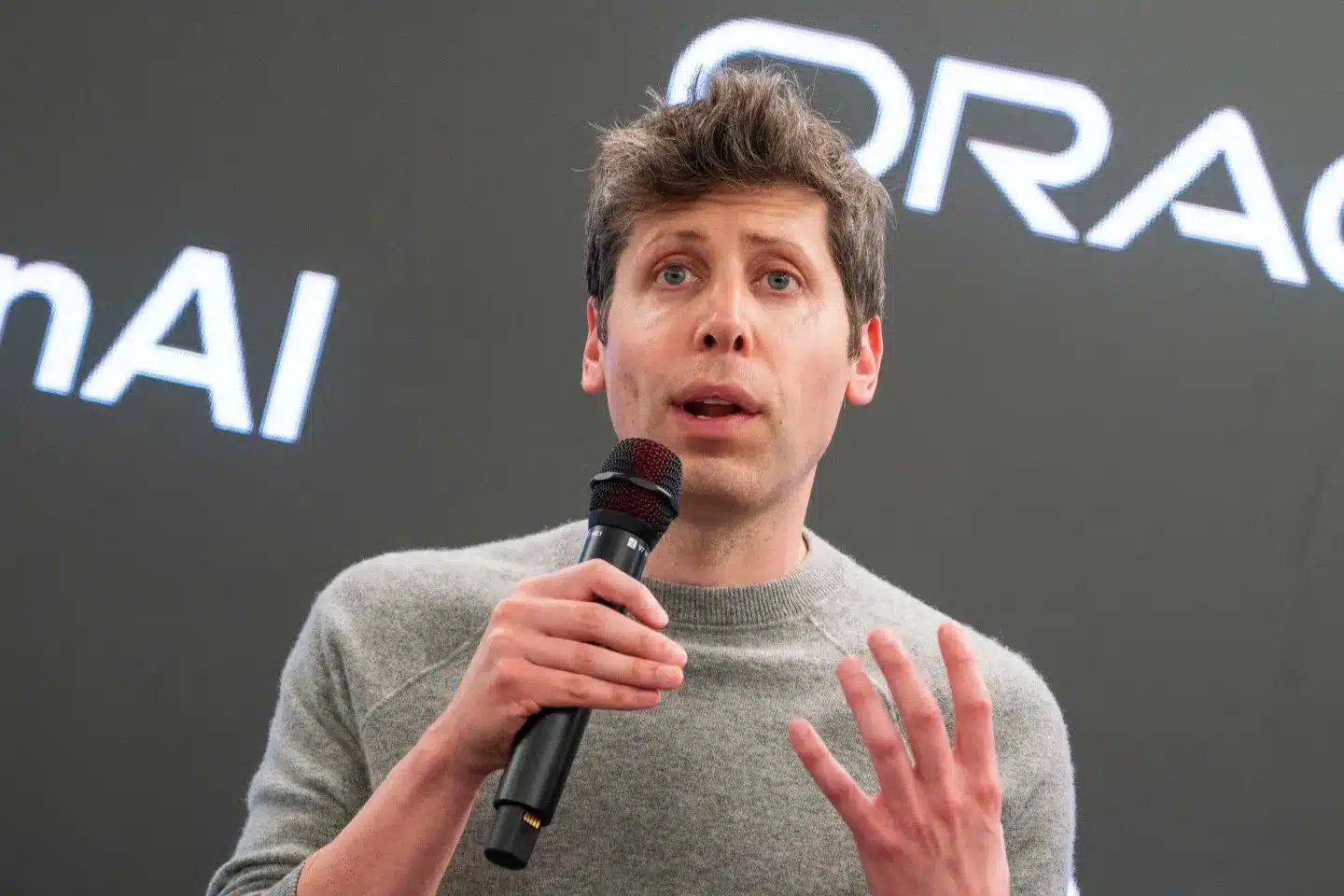
When users mention an app for the first time in ChatGPT, they’ll be prompted to connect and decide what data to share. From there, they can interact with apps through natural language for example, asking Spotify to make a playlist or Zillow to show certain properties with results displayed directly in ChatGPT. This will enable a new generation of apps that are interactive, adaptive, and personalized apps you can literally talk to Altman said. We hope this will be a big step in helping developers scale products faster.
OpenAI plans to start accepting app submissions for review and publication later this year, alongside more details on developer monetization options. The company is also introducing a new commerce system within ChatGPT, allowing users to make purchases directly through the platform.
Like Apple’s App Store and Google Play, OpenAI marketplace could become a significant revenue stream, as app stores typically take a cut from transactions. The company will also launch a searchable directory where users can explore available apps. Apps that meet higher design and functionality standards will receive prominent placement both in the directory and within ChatGPT itself.
At launch, partners include Booking.com, Canva, Coursera, Figma, Expedia, Spotify, and Zillow. Later this year, additional apps such as All Trails, Khan Academy, Instacart, Peloton, Target, Tripadvisor, and Uber are expected to join the platform.